Temporary Email for Verification
Temporary Email for Verification: A Smart Way to Protect Your Inbox
In today’s digital world, almost every website asks for an email address to complete a registration or verification process. While this is understandable for security reasons, it often leads to unwanted spam, promotional emails, and potential privacy risks. This is where temporary email for verification becomes a practical and increasingly popular solution.
What Is a Temporary Email for Verification?
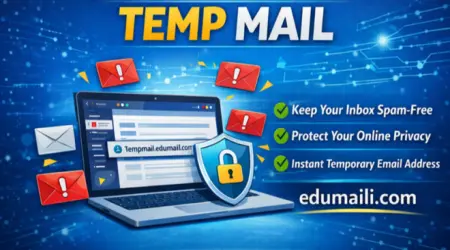
A temporary email, also known as a disposable or throwaway email address, is an email account that exists for a short period of time. It allows users to receive verification emails without revealing their personal or primary email address. Once the verification process is completed, the temporary email can be abandoned, helping users avoid long-term spam and data tracking.
Temporary email services are especially useful when signing up for websites, downloading resources, accessing free trials, or confirming accounts on platforms you may only use once.
Why People Use Temporary Email for Verification
One of the main reasons people choose temporary email for verification is privacy protection. Many websites collect email addresses for marketing purposes or share them with third parties. By using a temporary email, users can limit their exposure and keep their real inbox clean.
Another important benefit is spam prevention. Even trusted websites can experience data breaches, which may expose user emails to spammers. Disposable email addresses reduce this risk because they are not tied to your personal identity.
Temporary email services also offer speed and convenience. There is no registration required, no passwords to remember, and no personal information to share. You simply generate an email address, receive the verification code or link, and move on.
How Temporary Email Verification Works
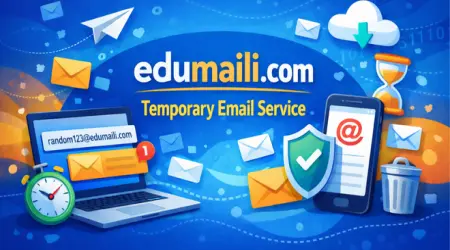
Using a temporary email for verification is simple. First, you visit a temporary email service and instantly receive a randomly generated email address. You then use this address on the website that requires verification. When the site sends a confirmation email, it appears directly in the temporary inbox. After clicking the verification link or copying the code, the process is complete.
Most temporary email inboxes automatically delete messages after a certain period, ensuring that no data is stored long term.
Is Temporary Email Safe and Legal?
Yes, using a temporary email for verification is generally safe and legal. These services do not require personal data, which actually reduces privacy risks. However, it’s important to note that some platforms block disposable email domains to prevent abuse. In such cases, a temporary email may not work.
Temporary emails are best used for low-risk activities such as testing services, accessing free content, or signing up for newsletters. For important accounts like banking, work tools, or long-term services, a permanent and secure email address is recommended.
Best Use Cases for Temporary Email Verification
Temporary email addresses are ideal for:
Website signups and registrations
Downloading free ebooks or tools
Verifying accounts on forums or communities
Testing apps and online services
Avoiding spam from promotional campaigns
By using temporary email for verification, users maintain control over their digital footprint while enjoying faster and safer access to online services.
Temporary email for verification is a smart, privacy-friendly solution for modern internet users. It helps protect your inbox, reduces spam, and keeps your personal email address safe from unnecessary exposure. As online registrations continue to grow, disposable email services are becoming an essential tool for anyone who values security, anonymity, and convenience.